
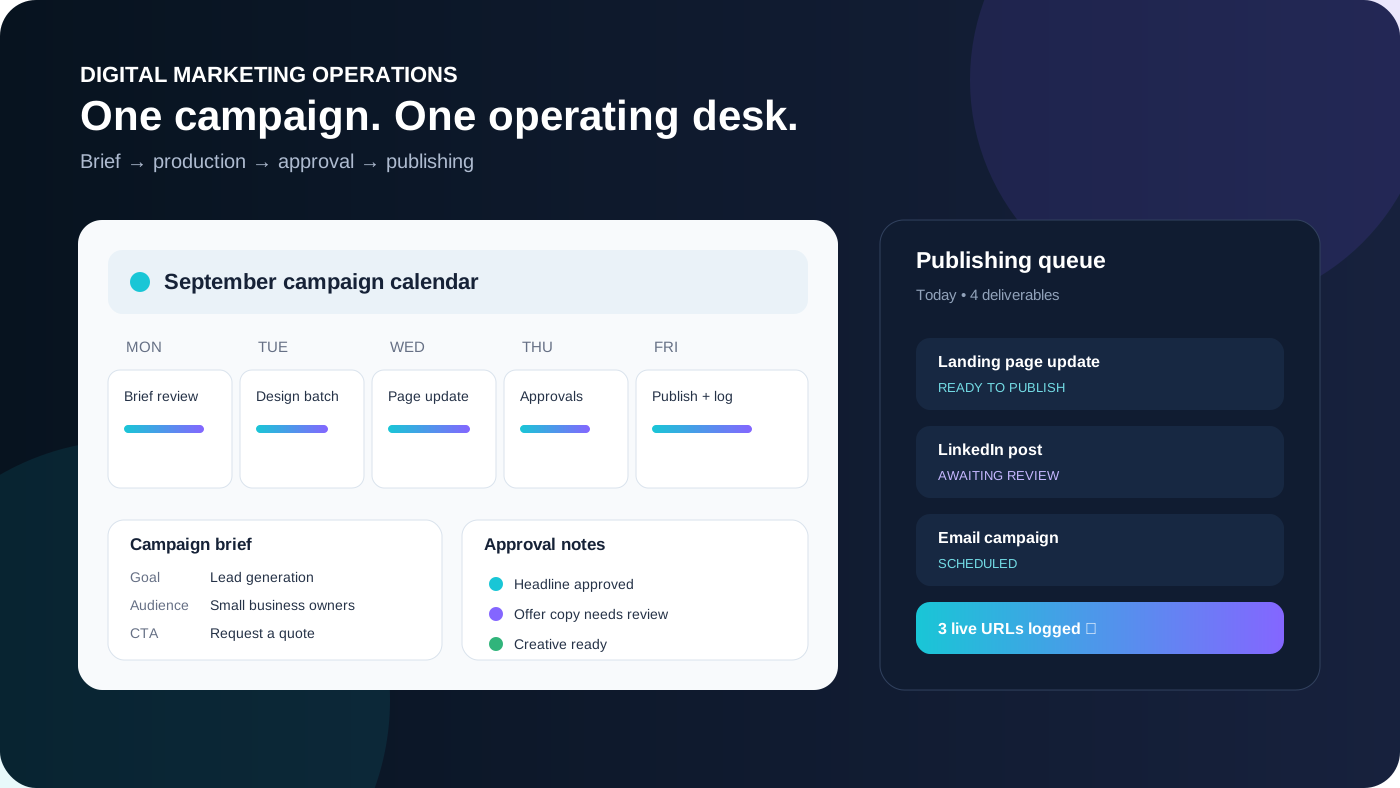
A digital marketing virtual assistant can remove a surprising amount of operational friction from a small marketing program—but only when the work is organized around clear briefs, approvals and reporting. Without that structure, delegating marketing can simply move the confusion from the business owner to another person.
What is a digital marketing virtual assistant?
A digital marketing virtual assistant is a remote support professional who helps execute recurring marketing operations across content, websites, email, social channels, SEO support and campaign administration. The exact mix depends on the business, but the role works best when responsibilities are defined by workflow rather than by a vague instruction to “handle marketing.”
KatVerra's marketing virtual assistant support is structured around managed execution: the business keeps control of positioning and approvals while recurring implementation work moves through an organized queue.
Start with the campaign, not the tool
Small teams often delegate by software: “manage Canva,” “post on LinkedIn,” or “update the website.” That can create activity without a clear marketing outcome. A better handoff starts with the campaign or objective and then assigns the repeatable tasks required to support it.
For example, a monthly lead-generation campaign might require a landing-page update, two supporting posts, a short email, resized graphics, tracking links and a results summary. The VA can coordinate those pieces from one approved brief while the owner or marketing lead retains the decisions about offer, audience and message.
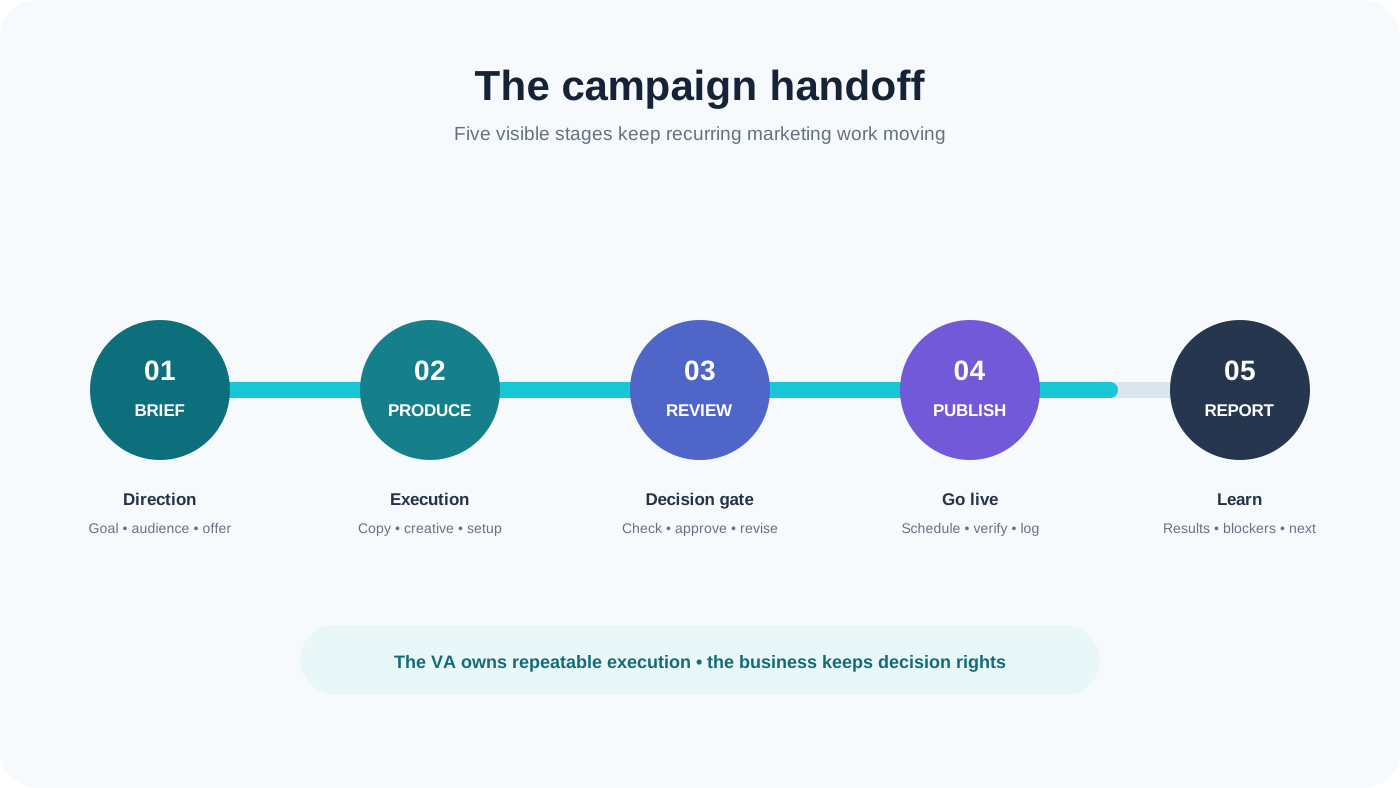
A five-part workflow for delegating digital marketing
1. Brief
Every recurring campaign should begin with a compact source of truth: objective, audience, offer, approved message, required assets, destination URL, deadline and any channel-specific constraints. A brief does not need to be long; it needs to remove guesswork.
2. Produce
The VA turns the approved brief into assigned deliverables. That can include formatting copy, preparing graphics, building campaign checklists, updating CMS content, organizing files, creating tracking links and preparing posts for review. If design production is a recurring bottleneck, a focused Canva virtual assistant workflow can define what belongs in the creative-production lane.
3. Review
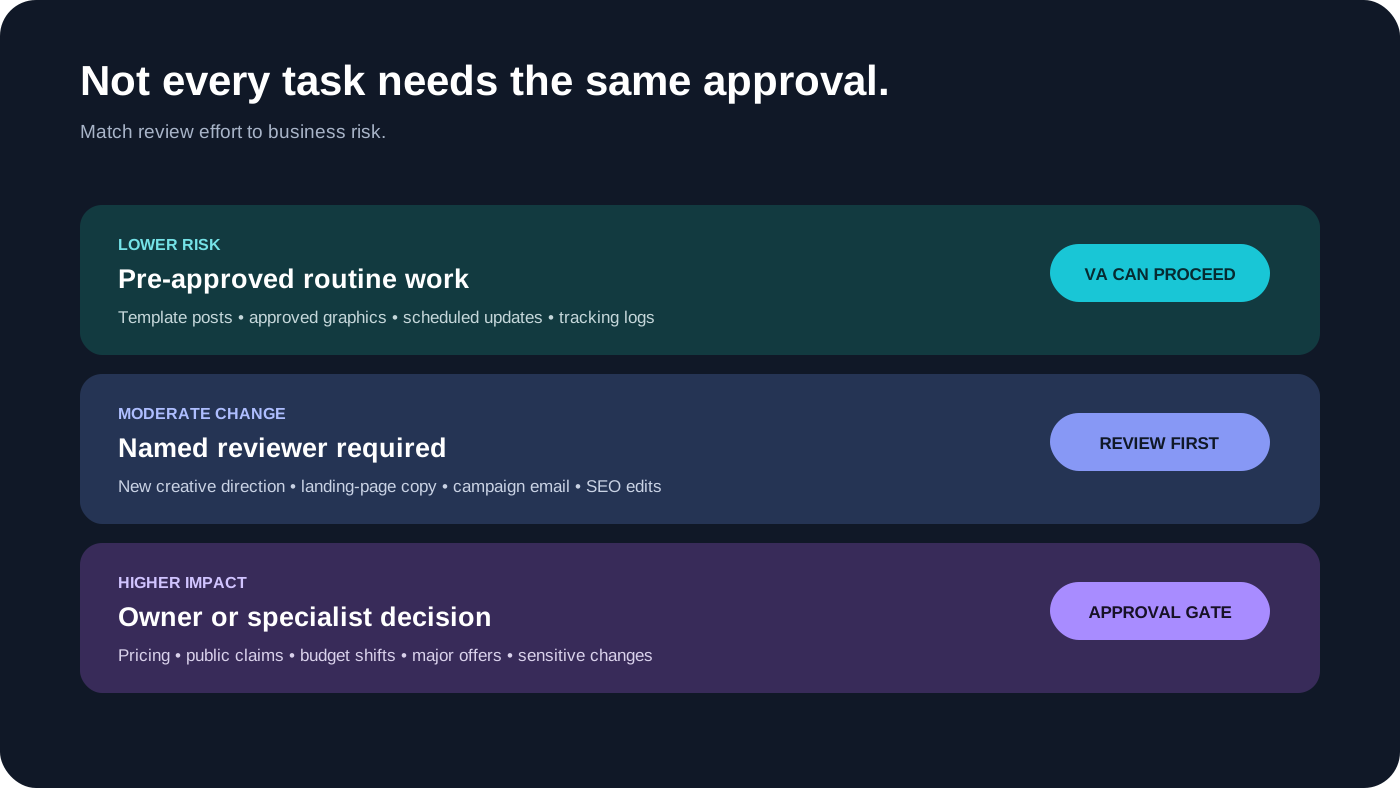
Not every item needs the same approval level. A routine post using an approved template may need a quick check, while a new offer, pricing statement, public claim or major landing-page change should receive stronger review. The workflow should make those differences visible before publishing day.
4. Publish
Once approved, the VA can schedule or publish content, verify links and formatting, record the live URL and check that the correct asset and call to action appear. Publishing should be treated as a checklist, not the final click of a rushed task.
5. Report
The VA records what went live and assembles the agreed measurements. The purpose is not to manufacture a large dashboard. It is to give the decision-maker enough evidence to decide what to continue, change or stop.
What belongs in the VA execution lane?
Good delegation candidates are repeatable, documented and verifiable. Examples include maintaining a content calendar, preparing approved posts, resizing supplied creative, formatting newsletters, uploading blog content, updating campaign trackers, organizing UTM-tagged links, compiling performance numbers and documenting completed work.
If you want a broader inventory of possible responsibilities, the guide to marketing virtual assistant tasks covers common work across content, research, publishing and campaign support. The important next step is narrowing that list to the tasks your business actually repeats.
What should stay with the strategist or business owner?
Delegation works better when decision rights are explicit. Brand positioning, offer strategy, budget allocation, sensitive claims, major campaign pivots and final approval for high-impact changes usually belong with the owner or appropriate specialist. A VA can prepare information and execute decisions without being forced to invent strategy on the fly.
Build an approval matrix instead of approving everything
If every tiny edit requires the owner, delegation will not save much time. If nothing requires approval, the business creates unnecessary risk. An approval matrix creates a middle ground.
Routine template-based work can be pre-approved. Moderate changes can require a named reviewer. High-impact changes can require the owner or specialist. The categories should reflect the business rather than an arbitrary universal rule.
How should SEO tasks fit into the workflow?
A marketing VA may implement approved SEO work such as internal links, metadata, content formatting, image alt text or publishing changes. Keyword strategy, technical diagnosis and major search decisions may require deeper SEO ownership. The distinction is similar to the execution model described in the SEO virtual assistant workflow guide.
Use one operating board for recurring campaigns
A useful board does not need dozens of columns. It can track campaign, deliverable, owner, due date, approval state, live URL and result. What matters is that requests stop disappearing across email, chat and personal notes.
For a small team, a simple weekly rhythm is often enough: review priorities, produce the batch, approve exceptions, publish on schedule and close the week with a short results note. Repetition makes the system easier to improve because the team can see where delays keep happening.
What should a useful marketing report contain?
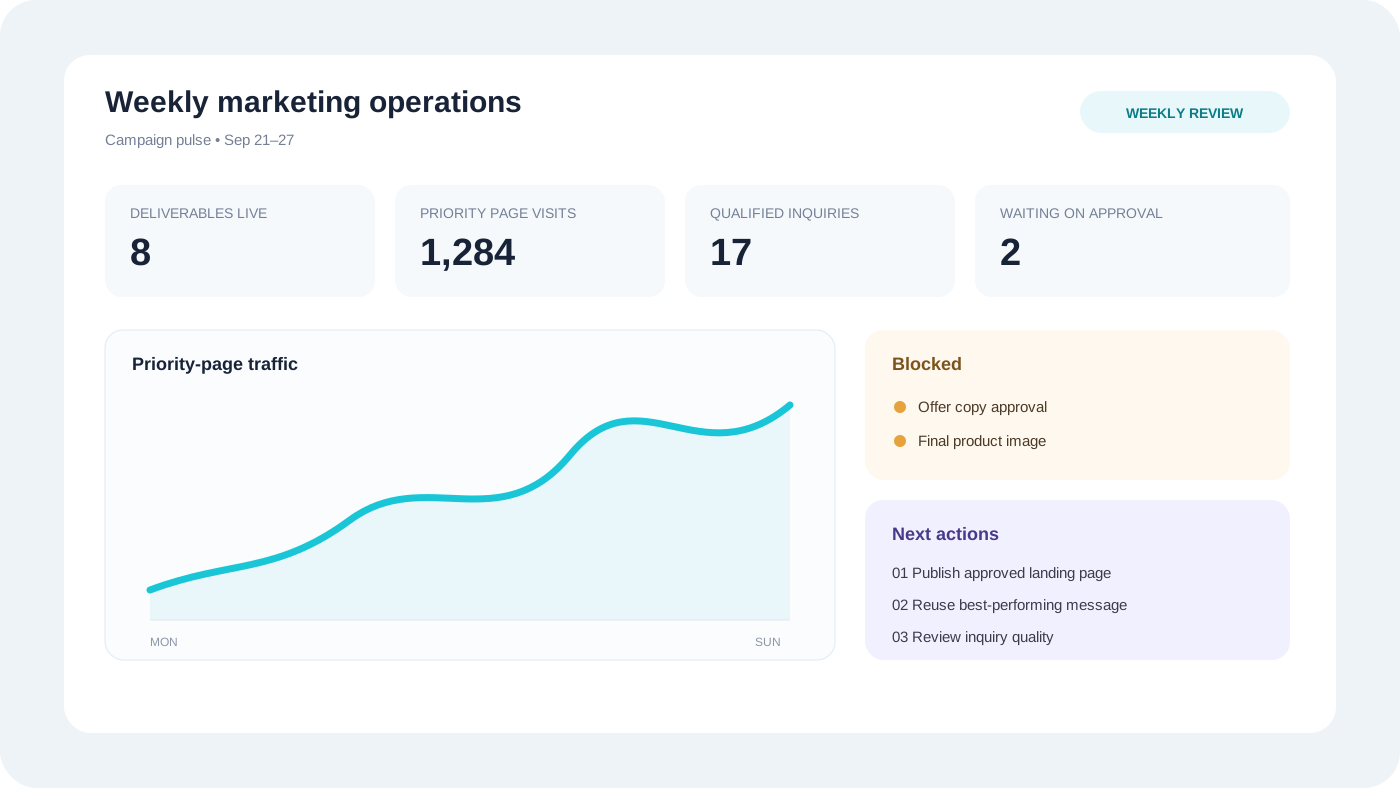
Reporting should connect completed work to the metrics that matter for the campaign. A content program might track published assets, traffic to priority pages and qualified inquiries. An email workflow might track sends, delivery, clicks and the downstream action. A local campaign may care more about calls, direction requests or leads than broad social engagement.
A good VA report also records operational information: what was completed, what is blocked, what needs approval and what is scheduled next. That makes the report useful even before enough data exists to judge campaign performance.
Common delegation mistakes
Assigning channels without an objective
Posting more often is not automatically a marketing strategy. Tie recurring work to a campaign, audience or business goal.
Giving the VA no source of truth
If brand guidance, offers, links and approved assets live in scattered messages, errors become more likely. Centralize the information needed to complete the work.
Making every task urgent
A queue cannot function when everything is marked urgent. Separate scheduled recurring work from true exceptions.
Measuring activity instead of outcomes
Twenty completed tasks may still produce little value. Track execution, but connect it to the result the campaign was meant to support.
A practical first-month setup
- Choose one recurring campaign or marketing process.
- List the deliverables that repeat each cycle.
- Define the source brief and required assets.
- Mark which items are pre-approved and which need review.
- Set a publishing checklist and live-URL log.
- Choose a small set of meaningful metrics.
- Review the workflow after the first two cycles and remove unnecessary steps.
This creates a controlled starting point. Once the process is reliable, additional channels or responsibilities can be added without turning the role into an undefined collection of marketing errands.
A good workflow should make marketing easier to manage
A digital marketing virtual assistant is most useful when the business already knows what it wants to communicate but needs reliable help turning that direction into recurring execution. The advantage comes from a clear operating system: one brief, visible stages, sensible approval gates, documented publishing and reporting that supports the next decision.
That structure lets a small team delegate more without surrendering control of its brand or asking an assistant to make strategic decisions that were never properly assigned.